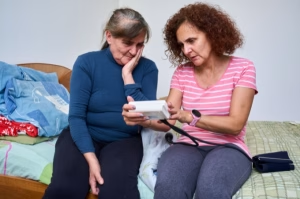
You checked your blood pressure, and the number was higher than you expected. This can be scary. You’ve heard how dangerous high blood pressure is. You might wonder if something’s wrong or if you need to lower your blood pressure quickly.
Take a breath. Do you feel normal other than the high reading? If so, you’re okay. High blood pressure for a short amount of time is not dangerous for most people. And there are things you can do to protect yourself from blood pressure that stays high.
One Reading Doesn't Tell the Whole Story
Your blood pressure changes all day long. It goes up when you rush, feel stressed, drink coffee, or when you wake up. It goes down when you relax, take a break, or sleep.
This is normal. Your body raises and lowers blood pressure to make sure your body gets the blood it needs. A single reading is like a photograph. It gives you a picture of what’s happening at that moment. But just like a photograph, it doesn’t tell you the whole story. You need multiple measurements over weeks to do that.
A lot of things can raise your blood pressure reading: feeling stressed, your arm being too low, and even having to pee. That’s why it’s so important to rest for at least 5 minutes beforehand and pay attention to your positioning.
Since so many things change your blood pressure, one reading can be misleading. That’s why it helps to take many readings over time and look at the average. This works, because things like stress that raise your blood pressure for a short time won’t be there every time you check. Some readings will be higher. Others will be lower. When you average them, you get what your blood pressure is most of the time. And your blood pressure most of the time is what matters most for your health.
High Blood Pressure Is Dangerous Over Time
For most people, short blood pressure spikes are unlikely to cause strokes or heart problems. There are some heart or blood vessel problems that make even short periods of high blood pressure bad for your health. Ask your medical provider if you think that applies to you. They can help you understand what your specific numbers mean.
While short periods of high blood pressure are okay for most people, months to years of it is bad for your health. When you have high blood pressure for a long time, your body has a harder time adapting to it too. That means that people with damage from hypertension are more sensitive to shorter periods of high blood pressure.
When High Blood Pressure Is an Emergency
There are a couple of times when you should get emergency help for high blood pressure:
You have warning signs like chest or back pain, trouble breathing, new difficulty moving or seeing, passing out, or any other concerning symptoms.
Read more: Is High Blood Pressure an Emergency?
You’re pregnant or gave birth in the last 6 weeks and have any of the following:
- Sudden worse swelling of feet, face or hands
- Headache that will not go away
- Seeing spots, things looking blurry, or other problems with seeing
- Pain in the top part of your belly
- Pain in your shoulder that feels different than normal
- Feeling like you’re going to throw up or throwing up (after you are pregnant 20 weeks or more)
- Trouble breathing
- High blood pressure (160/110 or higher)
- Any other concerning symptoms
Read our full guide: High Blood Pressure During Pregnancy
What You Can Do
If you just got a stressful reading, don’t take your blood pressure again right away. Take a breath and give yourself time to relax. If you feel okay and your doctor hasn’t told you to act on high readings, there’s no rush.
Once you’re ready, try these steps to get a better reading:
- Check for things that would make your reading look higher than it should be. Go to the bathroom. Check your positioning. Was your arm lower than your heart? Learn more about getting the right reading.
- Do something relaxing for at least 5 minutes. You could watch a video, listen to music, or sit quietly. If you can’t do that right now, pick another time.
- Take your blood pressure again. Don’t look at the numbers while it’s reading. Close your eyes or watch a calming video.
If you need more support, we have a step-by-step plan that can help you get accurate readings even when you’re nervous. It walks you through how to set a schedule, handle high readings, and track your progress over time.
Read the full plan: Taking Your Blood Pressure When Anxious
You can also learn more about why anxiety changes your blood pressure: How Anxiety Affects Your Blood Pressure Readings
Other Resources that Can Help
If you need more support, we have a step-by-step plan that can help you get accurate readings even when you’re nervous. It walks you through how to set a schedule, handle high readings, and track your progress over time.
Taking Your Blood Pressure When Anxious
You can also learn more about why anxiety changes your blood pressure.
How Anxiety Affects Your Blood Pressure Readings
One high reading at a pharmacy or doctor’s office doesn’t tell you enough. A home monitor lets you track your blood pressure over time.