
Home » Blood Pressure Guide » Blood Pressure Lowering Medicines » Blood Pressure Medicine Types
Blood Pressure Medicine Types
Author: Dr. Vrolijk | Updated: August 23, 2025 | Disclaimer | Review Process | References
Starting blood pressure medicine can feel overwhelming. You might have questions about side effects, worry about taking pills every day, or wonder if there’s a better option for your situation.
This page covers why blood pressure medicine can keep you healthy, the main kinds, and what to do if you have side effects.
On This Page:

Who Needs Medicine?
You need blood pressure lowering medication when your blood pressure might cause health problems like a stroke or heart attack. You can figure out how likely these health problems are based on:
- Health conditions you have that put you at risk (like diabetes or kidney disease)
- How high your blood pressure is
Blood pressure medicine can protect you by reducing the damage caused by high blood pressure.
Treatment Based on Blood Pressure
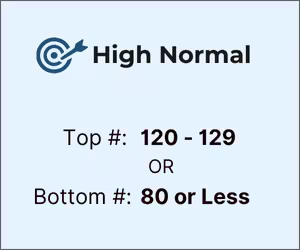
Diet & Lifestyle
→ Learn more: Simple Lifestyle Changes for Lower Blood Pressure

- Diet & Lifestyle
- Medicine if you have (1 or more):
- Heart disease
- Kidney disease
- Previous stroke
- 65 or older
- High risk of developing heart disease

- Usually Needs Medicine: Important to protect your body
- Diet & Lifestyle
Main Blood Pressure Medications
The Best Medicine(s) for You Depends on Your Body
Each medicine works differently. Some can help with other health problems. For example, ACE inhibitors and ARBs protect the heart and lower blood pressure. So, they can help someone who had a heart attack.
Click on the type of medicine to learn more
- ACE Inhibitors
- Calcium Channel Blockers
- ARBs (Angiotensin II Receptor Blockers)
- Diuretics
Why Doctors Choose ACE Inhibitors
Good choice for most people. Especially helpful if you have kidney disease or heart problems. Protects your heart and kidneys while lowering blood pressure.
Common Side Effects & What You Can Do
- Tell your doctor—they might switch you to ARBs
- The cough usually goes away with different medicine
Tell your doctor—they might suggest changing the dose
Stand up slowly
Make sure to drink enough water
Ask your doctor about taking the medication at night instead of in the morning
- Regular blood tests catch changes early
- Changing medicine fixes most changes
🚨 Get Emergency Help if You Have
- Swelling of the face, lips, or tongue
- Trouble breathing
- Really bad stomach pain, diarrhea, or throwing up
Why Doctors Choose Calcium Channel Blockers
Work well for many people, especially older adults. Good choice if you have certain heart rhythms (atrial fibrillation). Some types are safe during pregnancy.
Common Side Effects & What You Can Do
- Elevate feet when resting
- Stay active by walking
- Tell your doctor, they might suggest:
- Changing your dose
- Switching to a different kind of calcium channel blocker
- Adding an ACE inhibitor or ARB to stop the swelling
Tell your doctor, they:
- Might suggest changing the dose
- Can let you know if it might get better with time
- Can tell you if taking it at a different time of day might help
- Eat more fiber-rich foods (like fruits and vegetables)
- Stay active by walking
- Ask your doctor about diet changes that might help
- Talk to your doctor – they might suggest changing the dose or trying a different medicine
- Brush teeth at least twice daily
- Floss at least once a day
- See your dentist regularly
- Tell your dentist about this medicine
- Tell your doctor – they may suggest a different medication
Why Doctors Choose ARBs
Work like ACE inhibitors but won’t cause coughing. Often chosen if you can’t take ACE inhibitors. Protects your kidneys and heart while lowering your blood pressure.
Common Side Effects & What You Can Do
Tell your doctor—they might suggest changing the dose
Stand up slowly
Make sure to drink enough water
Ask your doctor about taking the medication at night instead of in the morning
- Regular blood tests catch changes early
- Changing medicine fixes most changes
Why Doctors Choose Diuretics
Often work well with other blood pressure medicines. Usually used if you have problems with low calcium, kidney stones, or swelling.
Common Side Effects & What You Can Do
- Take the medicine in the morning
- Plan activities where you’ll have bathroom access
- Eat less salt – Can help the medicine work better. This means your doctor may be able to lower your dose over time.
- Talk to your doctor – They can suggest ways to help or another medicine
- Regular blood tests catch changes early
- Your doctor might suggest supplements
- Regular blood tests help catch changes early
- Your doctor can help adjust or change your medicine
- Sip water throughout the day
- Ask your doctor how much water is right for you
- Tell your doctor if you’re having trouble drinking enough water
- Take medicine in the morning
- Keep a regular sleep schedule
- Talk to your doctor – They might suggest a different medication or timing
Lifestyle Only

Benefits
- Lowers blood pressure naturally
- Better health overall
- More energy
- Feel healthier and fitter
Challenges
- Takes longer to see results
- Some people can’t lower their blood pressure enough. This is based on:
- Your genes
- Age
- Other health conditions
- How high your blood pressure is
- You have to do it everyday
Risks
- Longer time with high blood pressure
- Continued risk of health problems
- Brain: stroke
- Heart: heart attack
- Kidneys: chronic kidney disease
- Harder to reverse damage once it happens
- May miss the window for prevention
Quick Answers
This is one of the most common questions. The truth is, there isn’t one “winner.” Which is in many ways good news because it means you have options.
All four medication types are the first choices because they work well for most people. The best one for you might also help with another health condition. So, each person has a different best medication or medications.
Most people will not gain weight from blood pressure medicine. Some people might notice water weight gain, but this is usually from heart problems, not the medicine itself.
Amlodipine is different. About 1 in 10 people taking amlodipine get ankle or foot swelling. This swelling is from extra water, not fat, and happens because the medicine opens up blood vessels.
This swelling usually goes away within a few days once it’s treated.
More about Swelling from Amlodipine
- Usually starts after taking the medicine for several weeks or months
- Is more likely with higher doses
- Can be bothersome but is not dangerous
What You Can Do if This Happens
- Elevate your feet when resting
- Stay active – walking helps
- Tell your doctor – they can often help by:
- Lowering your dose
- Adding another medicine
- Switching to a different blood pressure medicine
It’s a good idea to still talk to your doctor. Together you can figure out if there’s a pattern. You should keep checking your blood pressure 1-2 times a day. Write down your readings and how you feel.
High blood pressure damages your body slowly over time. You can’t feel it happening.
What Can Get Damaged
- Heart – Works too hard, can get bigger and weaker
- Blood vessels – Get stiff and narrow
- Brain – Blood vessels can burst or get blocked
- Kidneys – Can get damaged and not work as well
- Eyes – Can hurt your vision
How Long Does It Take to Happen?
- Damage happens over months and years
- Some damage can’t be fixed once it happens
- The higher your blood pressure, the faster damage occurs
Most medications start working within a few hours. But don’t worry if you don’t feel anything different! High blood pressure usually doesn’t cause symptoms, so you won’t feel the medication working.
Some people feel a little lightheaded for the first few days as their body gets used to the lower blood pressure. This usually gets better. But tell your doctor if you feel very lightheaded or might fall.
It takes about 2-4 weeks to see the full effect on your blood pressure readings.
What to Read Next
All of Our Pages on Blood Pressure

Resources We Used
Review Process
We take quality seriously. Every health guide goes through this review process:
Medical Review
At least one doctor in the content field reviews all health information
MD, DO, PhD/PsyD, OD, DMD, DDS depending on the content
Doctors check that all medical facts are correct
We update our content when new medical evidence comes out
Sources & Evidence
- All content is based on current medical guidelines and research
- We cite our sources so you can learn more
Reading Level Check
- We test all content to make sure it’s easy to read
- We avoid medical jargon or explain it clearly when needed
- We break down complex topics into simple steps
Accessible Design
- We design materials to work for people with different needs
- We use clear fonts and good color contrast
- We organize content with clear headings and simple layouts
- We follow web accessibility guidelines
We regularly review and update our materials based on:
- New medical research
- User feedback
- Changes in medical guidelines
You can find the last update date at the top of each page.
Found an error or have a suggestion?
Contact Us – We want to fix it as soon as possible!
Disclaimer
The information provided by HealthEd for Everyone is for educational and informational purposes only and is not intended as medical advice. While we strive to ensure the accuracy and timeliness of this information, it should not be used as a substitute for professional medical consultation, diagnosis, or treatment. Always seek the advice of your physician or other qualified health provider with any questions you may have regarding a medical condition.
HealthEd for Everyone does not endorse or recommend any specific tests, physicians, products, procedures, opinions, or other information that may be mentioned within this material. Reliance on any information provided by HealthEd for Everyone is solely at your own risk.
In no event shall HealthEd for Everyone be liable for any direct, indirect, consequential, special, exemplary, or other damages arising therefrom.
By accessing this information, you acknowledge and agree to these terms and conditions. If you think you may have a medical emergency, call your doctor, go to the nearest hospital, or call emergency services immediately.
Don't see what you need?
Tell us what health topics confuse you. Your suggestions help us decide what to create next.