Home » Blood Pressure Guide » Managing Blood Pressure Anxiety » Taking Your Blood Pressure When Anxious
Taking Your Blood Pressure When Anxious
Author: Dr. Vrolijk | Updated: August 22, 2025 | Disclaimer | Review Process | References
Does your blood pressure spike every time you put on the cuff? Are you checking your blood pressure multiple times hoping for a lower number? Worried that your anxiety is making your readings inaccurate?
This page walks you through how to take your blood pressure when you feel anxious.
On This Page:
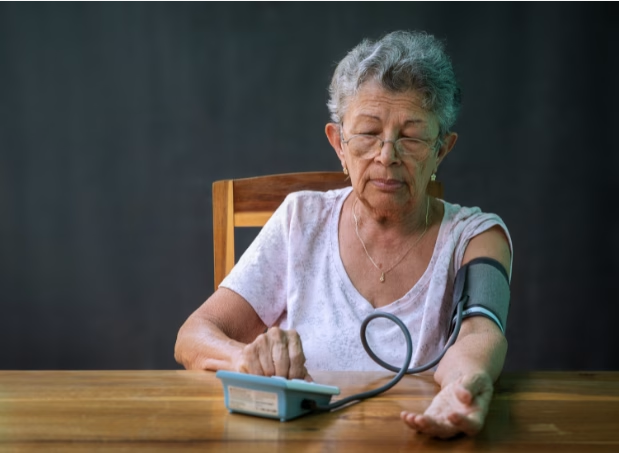
When to Check & When NOT to Check
When to Check
- Create a routine: Pick the same time(s) each day or week for checking
- This makes it become routine instead of scary
- Choose something that helps you feel calm (TV show, podcast, music)
- Sit for at least 5 minutes doing that calming activity before checking
- Regular routine will reduce anxiety over time

When NOT to Check
- When you’re feeling anxious, stressed, or angry
- Right after bad news, arguments, or upsetting events
- When you’re worried about your health
- “Just to see if it went down” after a previous high reading
Why a Routine Helps
- Putting pressure on yourself to be calm rarely works
- A regular schedule means taking your blood pressure will become routine like brushing your teeth
What to Do with High Readings from Anxiety
Note that You Were Anxious
- Make a note about how you felt
- This information helps you and your doctor understand patterns
- Anxious readings are still valid information
Only Check on Your Schedule
- Only recheck at your scheduled times
- At most, check twice a day (morning and evening)
- Only recheck 1 time (2 times total each time you take your blood pressure)
- Take your blood pressure
- Wait 5 minutes
- Retake your blood pressure
Know When to Get Help
Call Your Doctor if You Have
- Readings over 180/110
- Multiple high readings over several days even when feeling calm
- Significant anxiety about your blood pressure
- Your worried high blood pressure is more dangerous because of a health problem you have
- Any reading that is different or concerning to you
Go to the Nearest Emergency Room or Call 911 if You Have
Concerning symptoms such as:
- Chest or back pain
- Trouble breathing
- Difficulty walking or moving normally
- Any other concerning symptom
What You Can Do
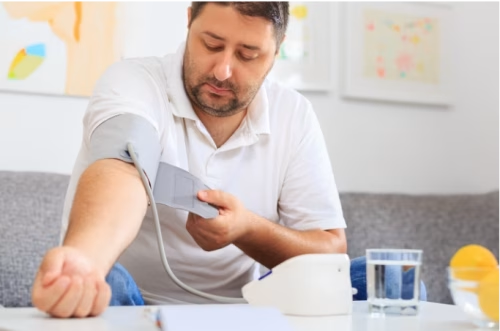
Your blood pressure might be high when you take it because you’re nervous. That’s okay! It won’t always be like this. Try these steps to have less anxiety about taking your blood pressure. This can work whether you’ve been avoiding taking your blood pressure or find yourself taking it too often.
Step 1: Make a Plan
- Plan to take your blood pressure 1-2 times a day (usually morning and night)
- It’s okay if you have to start with once a day
- Put your log and blood pressure cuff where you will see them so you won’t forget
- Some people set reminders on their phones
Step 2: During the Measurement
- Don’t look at the machine while it’s taking your blood pressure. Most people get more anxious if they watch the numbers
- Try watching a video, reading or listening to something relaxing
- Write down your measurements and make a note that you felt anxious
Remember: Your blood pressure probably isn’t this high most of the time. It’s okay that your measurements are higher because you’re worried.
Step 3: Building the Habit
Over time, you’ll get used to taking your blood pressure. It’ll become part of your routine. It’s like when you learned to drive. It was really scary at first (at least for this author). But eventually you stopped thinking about it.
Step 4: Review Your Progress
- Don’t look at your logs for at least two weeks
- After two or three weeks, check to see if your readings have changed (don’t worry if they haven’t)
- Stick to your schedule and keep writing down readings
- After a month, see how many times you wrote “anxious” – is it still every time?
Step 5: Next Steps
Check in with your doctor through their portal, appointment, or call. Your doctor can help you understand what you learned and plan next steps.
Quick Answers
For most people, short anxiety-driven blood pressure spikes are not dangerous. They are extremely unlikely to cause strokes or heart problems.
However, these spikes can be more dangerous if you have certain health problems. For example, history of a heart attack or bleeding in your brain. Ask your doctor if you’re worried that you have a problem that would make these spikes in blood pressure more dangerous.
Yes, anxiety can cause very high readings. However, 200 is high enough that you should contact your doctor today. Usually your blood pressure will get that high with anxiety if you have elevated blood pressure the rest of the time.
If you have any concerning symptoms (chest pain, trouble breathing, etc.), go to the nearest emergency room or call 911. Read more about when high blood pressure is an emergency
Most people won’t be healthier if they take a medicine to lower blood pressure for anxiety-related spikes. The medicine might even cause low blood pressure.
Other people will benefit from medicine. This depends on your overall health and other health conditions you have. Some reasons your doctor might suggest medicines include:
- You are very anxious about your blood pressure
- You have symptoms when it’s high
- You have a health problem that makes high blood pressure more dangerous
Everyone’s body is different. Some people calm down quicker than others. Once your body is calm, your blood pressure will go down.
It’s okay to take your blood pressure if you feel anxious and it’s your scheduled time to check. Just make sure to write down how you were feeling. Download our blood pressure log to help with tracking.
But it’s not a good idea to check throughout the day when you feel anxious. This can lead to more anxiety about taking your blood pressure, since it will be high from how you’re feeling.
Taking your blood pressure on a regular schedule (not just when you’re anxious) can help reduce worry over time.
You can look at how to take your blood pressure. Most people make one or more mistake that can make your reading higher than normal. Learn more about how to take your blood pressure
You can learn more about how anxiety changes your blood pressure. This can help with anxiety by better understanding what’s happening. Learn more about how anxiety affects your blood pressure readings
What to Read Next
All of Our Pages on Blood Pressure

Resources We Used
Accessed July 15, 2025.
Review Process
We take quality seriously. Every health guide goes through this review process:
Medical Review
At least one doctor in the content field reviews all health information
MD, DO, PhD/PsyD, OD, DMD, DDS depending on the content
Doctors check that all medical facts are correct
We update our content when new medical evidence comes out
Sources & Evidence
- All content is based on current medical guidelines and research
- We cite our sources so you can learn more
Reading Level Check
- We test all content to make sure it’s easy to read
- We avoid medical jargon or explain it clearly when needed
- We break down complex topics into simple steps
Accessible Design
- We design materials to work for people with different needs
- We use clear fonts and good color contrast
- We organize content with clear headings and simple layouts
- We follow web accessibility guidelines
We regularly review and update our materials based on:
- New medical research
- User feedback
- Changes in medical guidelines
You can find the last update date at the top of each page.
Found an error or have a suggestion?
Contact Us – We want to fix it as soon as possible!
Disclaimer
The information provided by HealthEd for Everyone is for educational and informational purposes only and is not intended as medical advice. While we strive to ensure the accuracy and timeliness of this information, it should not be used as a substitute for professional medical consultation, diagnosis, or treatment. Always seek the advice of your physician or other qualified health provider with any questions you may have regarding a medical condition.
HealthEd for Everyone does not endorse or recommend any specific tests, physicians, products, procedures, opinions, or other information that may be mentioned within this material. Reliance on any information provided by HealthEd for Everyone is solely at your own risk.
In no event shall HealthEd for Everyone be liable for any direct, indirect, consequential, special, exemplary, or other damages arising therefrom.
By accessing this information, you acknowledge and agree to these terms and conditions. If you think you may have a medical emergency, call your doctor, go to the nearest hospital, or call emergency services immediately.
Don't see what you need?
Tell us what health topics confuse you. Your suggestions help us decide what to create next.