If you’ve ever had your blood pressure taken at a doctor’s visit, you’ve probably seen two numbers flash on the screen. Maybe your doctor said they looked good, or maybe they wanted to check again. But what do those numbers actually tell you? Understanding your blood pressure doesn’t require medical training—just a clear explanation of what’s happening inside your body. This guide will help you make sense of those numbers and why they matter for your health.
Think of blood pressure like water flowing through a tube. You need enough pressure to push water all the way through the tube, but not so much that the tube strains or bursts. Your blood pressure works the same way. Your heart pushes blood through your arteries. You need enough pressure so blood flows to all your organs. Blood pressure is the force of your blood against your artery walls.

Reading Your Numbers
This morning, my blood pressure was 118/76. But what do those two numbers actually mean?
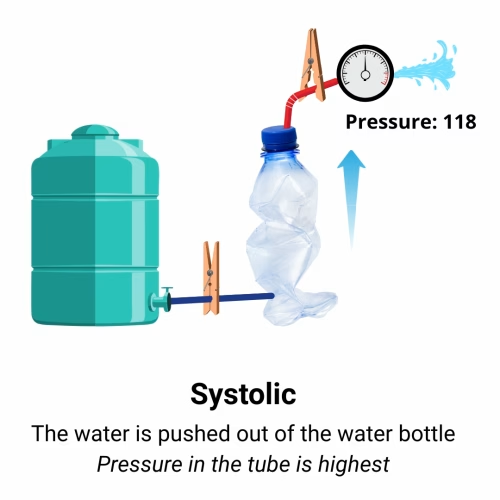
The top number (118) is my systolic pressure. This measures the force when my heart squeezes and pushes blood out into my arteries. Think of it like our water bottle system—the water tank is your body’s blood supply, the water bottle is your heart, and the tube is your arteries. When you squeeze the bottle and push water out into the tube, the pressure in the tube is highest. Blood pressure is the same; it’s highest when the heart pushes blood out.
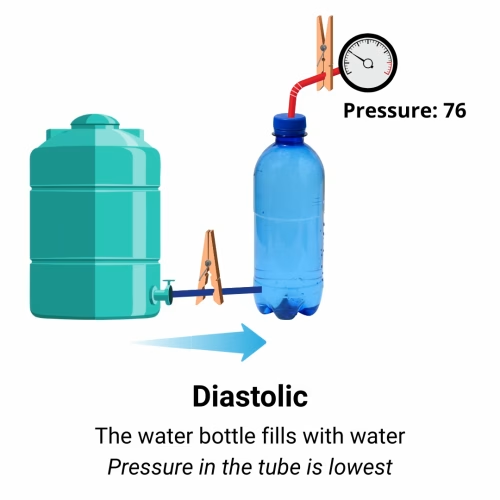
The bottom number (76) is my diastolic pressure. This measures the force when my heart relaxes between beats and refills with blood. It’s lower because no new blood is being pushed into the system. In our water bottle system, it’s when the tank is refilling the bottle with water. The tube still has water in it under pressure, but it’s not as high as when the bottle is squeezing.
Both numbers are measured in millimeters of mercury (mm Hg). You’ll see this on blood pressure monitors—it’s just the standard unit doctors use.
What Do These Numbers Mean?
Now that you know what the numbers represent, you’re probably wondering: is 118/76 good?
Here’s a simple guide:
Normal: Less than 120/80
Elevated: 120-129 and less than 80
High: 130/80 or higher
My reading of 118/76 falls in the normal range. But one reading isn’t enough. Your doctor will look at multiple readings over time, not just one measurement.
→ Want to know more about what different readings mean? Check out our page on it
What Creates Your Blood Pressure Numbers
Two main things work together to create the pressure in your arteries:
- Your heart pumping. Every time your heart beats, it pushes blood through your system. The strength of each heartbeat and how fast your heart beats can change the pressure in your arteries.
- Your artery size and flexibility. Your blood vessels can tighten or relax. When they’re tighter, pressure goes up. When they’re more relaxed, pressure goes down. Your body adjusts this throughout the day.
Your blood pressure isn’t constant. It changes throughout the day based on what you’re doing, what you’ve eaten, your stress level, and even what time of day it is.
Why Doctors Care About These Numbers
Blood pressure is one of your vital signs like heart rate and temperature. It shows how your arteries and heart are working, also called your circulatory system.
When blood pressure stays high for a long time, it strains your arteries and forces your heart to work harder. Over time, this can damage blood vessels and organs like your heart, brain, and kidneys.
When blood pressure is too low, your organs might not get enough blood flow. This can make you feel dizzy or tired, especially when you stand up.
The key word is “stays”—one high or low reading doesn’t tell the whole story. Patterns over multiple readings matter more than any single number.